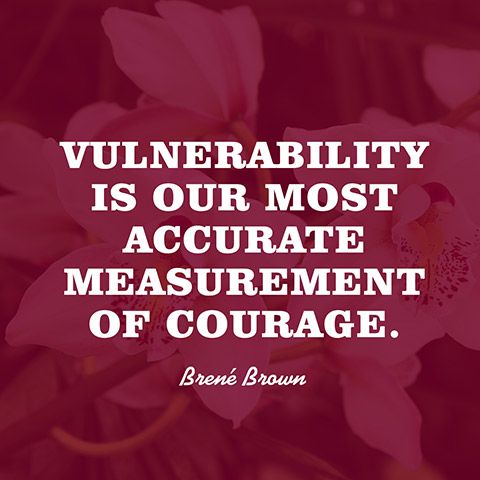
Oh, how vulnerability terrifies us.
And writing something called “hopepunk” opens you up wide to all the criticisms society lobs to keep us from hoping for better, daring to change, and worst of all, organizing collectively to make a difference in the world.
“That will never change.”
“It’s hopeless.”
“You’re silly/foolish/naive to think anything like that could work.”
“Work together? Have you met people?”
I have, in fact. And not only are we capable of working together, not only do we do it every day, but we’re hungry for it. Just show us how, lead the way, give us some shred of hope, and we’ll jump into the fray, donating time and talent, using our art/minds/bodies to help, raising $200k for Ukraine with a romance anthology whipped together with brains, work, and the fervent desire to make a difference.
But let someone call us foolish, let them poke at our vulnerable spot, and we cave in on ourselves and don’t even try.
The easiest way to stop someone is to convince them it’s impossible.
Hopepunk says, It’s possible. Not easy, it’ll hurt, and you’ll have to battle your demons, but of course, it’s possible. If we work together, we’re unstoppable.
We need to tell that story, again and again, until it becomes louder than the naysayers and critics and cynics.
The first step in filling the world with that new narrative is to dare to tell that story yourself.
From October 26, 2020:
| It was 4 a.m. I’d finished the final edits the night before. The 24 hours after I finish any book is always an emotional roller coaster. The giddy high of completion. The satisfaction of adding another title to my growing catalog. The sense of completeness that comes from telling a story just the way I wanted to tell it. Often, the story keeps replaying in my head, my mind not ready to leave it just yet. But soon a “letting go” process starts, the emotional distancing needed to properly release that story into the world. You see, once the readers have it, it belongs to them. They’ll love it or they’ll hate it—that’s their job. Mine is done. But here I was at 4 a.m., wide awake and feeling the terror of vulnerability. What if the book was actually terrible? What if the cynics were right and daring to hope wasn’t punk at all but naïveté? Who was I to think I could write this and do it well? These are the secret fears of writers. Ones I’d grappled with and conquered long ago, rearing their hydra heads once again. Why? Because you can’t write a book about radical compassion without vulnerability. You can’t dare to create something new, something so deeply counter to a culture of cynicism and violence, without risking something. You have to take the chance of being wrong, being soft, being attacked. That’s what hopepunk is… and you can’t write it without living it. Then I remembered, at 4 a.m., that I’m strong enough for all that. You see, I know vulnerability is the compass pointing where I need to go with my art. The terror is reduced to stealth attacks at 4 a.m. because that’s the only time it can get to me. I mean, seriously, get in line, tribulations about my art—there are greater monsters to fear than you afoot in the world. But it was quite the dip in the emotional rollercoaster, one I should have seen coming. That’s okay. Vulnerability is courage. And I have enough of that to love expansively, create compassionately, and dare greatly. Which is good, because I’ll need all that when I start the second book on Monday. |
A LITTLE SIDE NOTE
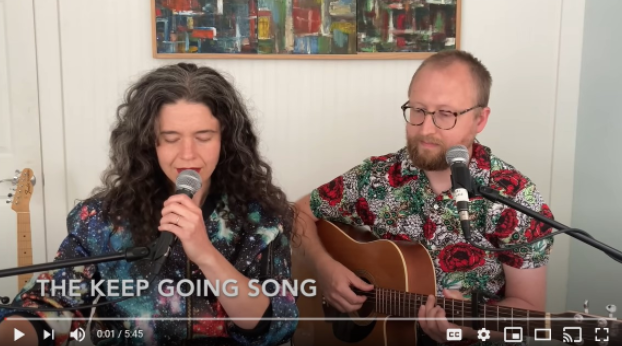
You know that trick of the universe where you put out a certain kind of energy and, eventually, it starts coming back to you? Well, I’ve been talking about hopepunk enough that my friends are starting to bring me little gifts—memes and songs. They say, “Look, Sue, it’s hopepunk!” And it is. And there’s such a joy in that, I had to share. Because that’s how this works, friends.
That’s how this works.
Peace and Love,
Sue