(Paperback pricing is a different topic, driven by Print on Demand technology. We will only talk ebooks here.)
The Great Indie Advantage: Low Prices
Not withstanding the Department of Justice’s collusion lawsuit, publishers seem determined to keep ebook prices high (sometimes higher than print). Whether this will continue forever (some publishers have begun experimenting with price-pulsing and lower pricing), one substantial difference between trad-pub and indie continues to be pricing. One of the reasons I chose self-publishing over continuing to publish with my previous small publisher was the ability to offer readers a lower price. Given that authors are free to price high or low, and they choose low, should be your first clue that there is some advantage to this.
Pricing of E-Books
Trad-pub e-books are usually priced close to the paperback price (and sometimes above!).

Bestseller Children’s SF&F
Kindle: $5.36
paperback: $5.64
(note: in 2012, the kindle book was priced at $7.49)

Bestseller Children’s Fairy Tales
paperback: $7.88
Kindle: $6.39
Indie e-books (novels) are usually priced less than $4.99, with most $2.99 or $3.99. Indie paperbacks are priced higher than trad-pub because Print on Demand technology results in a higher cost than the large print runs that publishers use (especially for bestsellers). Some indie novels are priced at 99cents, but that price point is usually used for short fiction or (temporary) sales.
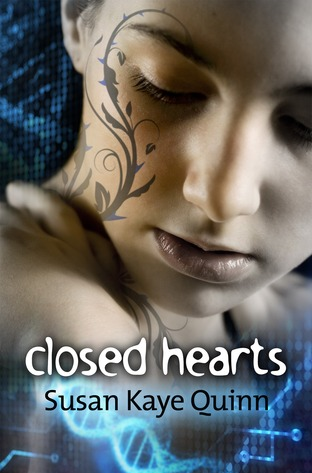
Bestseller Science Fiction Dystopias
paperback: $11.69
Kindle: $3.99
Low Pricing Means More Sales
Logical, yes?
Low pricing helps overcome the disadvantage of being a relatively unknown author.

You don’t have to go free to be successful. But it’s one of the exceptional tools you have as an indie author, so I recommend you at least consider it as part of your overall marketing strategy. From personal experience, I can tell you: 1) you don’t have to go free to become a midlist indie author (see Measuring Success; I sold over 28,000 ebooks before experimenting with free), 2) having a free book helps hook readers into trying your other work and serves as an ongoing advertisement, 24/7, that’s constantly reaching out to new readers for you.
Publishers have been giving away books as an enticement to get people to read them for a long time. I attended a kidlit conference where a high-ranking NY editor gave away a literal truck-load of paper books to attendees. Why? She was trying to entice us into discovering a new author. And hopefully buy more books.
Which makes me want to write more books.
And that, in a nutshell, is why people/publishers/authors give away books. It’s a solid marketing strategy.
Giving away books doesn’t devalue the book/work.
No one claims that having free samples of yogurt at the grocery store devalues the work of yogurt factory workers. No one thinks less of yogurt if it is free. Sampling a product makes people actually want MORE of that product, not less. Books are even more of an acquired taste than yogurt, so sampling makes a LOT of sense.
Even in a world full of free books, people still buy books.
I would have thought this was obvious, but I hear the counter-argument all the time. Writers (particularly ones who spend time online) see free books everywhere. It’s easy to think all those free books mean that no one will ever be willing to pay for a book again. Why should they, when authors are giving away the farm? Some readers will actually say this out loud: I don’t buy books anymore! I just download free ones! First: don’t believe them. They never bought books; they got them from the library or they pirated them. Second: if they’re only willing to read the freebies, they are not the kind of avid readers who will eagerly await your next work. They are not the loyal readers you will build a fanbase from. If they only come for the free yogurt, they weren’t a potential customer anyway.
Do Not Go Free With Your Only Book
Giving away all your work makes you a charity, not a business; giving away some of your work is solid marketing. Grocery stores don’t give away ALL the yogurt in the store; they give you a serving. Do some people eat the samples and never buy the yogurt? Of course. But some will also decide to buy more yogurt, because it’s yummy, and it’s sitting right there on their tongues, saying buy me.
Be wary of the pursuit of rankings at all costs (which is one reason people sometimes go free with their first book). Numbers are seductive, and we tend to think that the “visibility” of being on a list outweighs all other things, so being high on a free list must be a good thing, right? Only if you have something else for readers to buy. The truth is being on a list will net you additional sales/downloads, but it’s just one part of an overall strategy to reach new readers.
If only I had sold all those books, I’d be sipping Mai Tai’s in Tahiti.
You just need to get over this. Or don’t ever set your book free. It’s not mandatory.
Bad Reviews On Free Books
Making Money With Free
The reason I have a free book (beyond providing a sample to readers) is because I make more money (increased sales on my other books) when I have a free book. I’m far from the only one to make this observation – many, many indie authors with series set their first book free and sell a lot of books because of it.
Free Makes Sharing Easy
Free makes it easy for people to share news about your work. When Wool went permafree, I went crazy telling everyone about it. Why? Because I was already a huge fan. I knew people would download it, love it, and buy more. Hugh Howey was already a bestselling author, but setting his book free gave me yet another reason to tell people about his work. And once someone downloads your book to their Kindle, you now have an ad for your book on their device for all eternity (or until they delete it). Every time they scroll through the Carousel, they’ll stumble on your book and think, Hey, maybe I’ll read that book now.
The Best Ad For Your Writing is Your Writing
Samples sell. Whether it’s the blurb, or the first chapter, or the first novel in a series, the biggest thing that sells your books is the words themselves. If a reader likes your story or your style, they’ll come back for more. Yogurt on the customer’s tongue sells more yogurt.
Ad Sites
Free ad sites=pools of readers you don’t normally have access to. Since it’s important to always be looking for new pools of readers, this is one of the big advantages of having a free book. There are lots of free ad sites, but the big Kahunas of free ads are Pixel of Ink and Bookbub. It may seem crazy to pay money (Bookbub) to run an ad for your free book – I can tell you from personal experience that I’ve more than made my money back on that ad from carry over sales to my other books. POI and Bookbub can move thousands of books. THOUSANDS. There are very few places/people that can do that, in the indie or traditional worlds.
But Nobody Reads Free Books
Even if your work doesn’t get read, it still counts for one of the seven touches of marketing. Some people say they’re more likely to read a book they pay for than a free book, but this gets the causality backward: readers seek out and pay for books they want to read. Right? How often have you paid for a book you had no interest in reading? Free books are “zero friction,” meaning even a mild interest will induce them to download. It’s now in their hands. When the mood strikes, your book will be right there, ready to fill the need for a mind-bending thriller while waiting at the doctor’s office. And then it’s up to your words to hook them…
* All those downloads are not going to be read
* If you have 5% sell-through from downloads, you’re doing very well. Meaning for every 100 downloads of Book#1, maybe 10% actually read the book, and 50% of those will buy the second book, so you get 5 sales of Book#2.
Permafree vs. KDP Select
These are the two ways you can go free: have a limited number of free days via KDP Select (5 days in 3 months) or go permafree. I recommend permafree for a couple reasons:
* It’s hard to get traction in the smaller markets (Apple, especially), but having a free book can help.
* Similarly, it’s hard to get traction internationally (UK, DE), and having a free book can help there too.
* Big ads like POI and Bookbub can move a lot of free books at once and give you a boost in visibility, but having a free book day in and day out can also move a lot of books over time. The high rankings that come with a one-day ad will fade, but having a book always free is like having a 24/7 ad that’s always working for you. Rankings are nice, but the true thing that sells your other novels is having a free sample in readers’ hands.
Free Books Are Not A Cure-All
Not every book that goes free will sell-through to other books. The book still matters – a lot. At the same time, free books do not devalue books or the author’s work; it’s just a large sample. Don’t give it away unless you have more to sell. Free books are a marketing tool that, when used effectively, can help you build an amazingly broad fanbase of readers. When used ineffectively, the worst they will do is collect electronic dust on lots of kindles.
Next we’ll talk about reviews and how to get them…
Loads of information here, Susan. Awesome! Thanks so much. I tweeted it for you.
Thanks so much Sheri!
I admire how much you share about the things you've learned. THANK YOU!!
Thank you Natasha!
I love this post (really, this whole series!). So much. Will share it on FB and Twitter when I can access them (after work today!).
I've had a lot of people advise me that the first thing I put up there must be put up free – at least for a little while and that just makes no sense to me because, like you said, there is no marketing bonus for me other than to get in the top 100 free.
This posts confirmed for me my original plan to go free with book one only when book two is released. Until then, do other stuff to promo (like sales and ads with Bookbub) and be happy with a slower climb of sales in the beginning.
You bring up a good point – the pursuit of rankings at all costs. Numbers are seductive, and we tend to think that the "visibility" of being on a list outweighs all other things. The truth is being on list will net you a few additional sales, but it's just one part of an overall strategy to reach new readers.
Adding this into the post – thanks!
Fantastic post, as usual, Susan! So much quality information… I agree that free doesn't = the devil. If applied as a marketing strategy, it can really work in an indie's favor. Loved your yogurt analogy. 🙂
I've been considering having my first book free the week before the second is coming out-thanks for the timely advice.
Susan, I learned about Wool being perma free on your blog and downloaded it. As soon as I finished book 1, I immediately downloaded the omnibus. AND my son downloaded book one and is now on book 2. Which proves your point!!
Thanks for ALL this great information.